Saturday, April 20, 2013

Vegetable Tortillitas

I have never been one to catch onto trends quickly. It is no surprise then that I went to my first Zumba class only a few months ago. In fact it is a surprise I went to any kind of dance class. Dancing has never been my thing, and I have always been very diffident about it. For my first class, I took a spot at the back of the room, trying to follow along rather awkwardly. As the music proceeded, I realized that I just had to let go and have fun. Spanish songs that sound like new Bollywood music? Check. Belly dancing moves, hip hop beats? Check. And that certain Korean 'style'? I was supposed to groove to that too. How embarrassing. It took me some getting used to, but I find now that if taken with the right dose of attitude, Zumba can feel like a one hour vacation for the body rather than just a workout.

What does that have to do with this post? Well, the dish I am writing about is a little bit "everything goes" like Zumba. It started off from a Mark Bittman recipe for Spanish Tortillitas, and I adapted it with some Indian flavors, giving it a healthy and vegan twist, but the end result is utterly fun and enjoyable. It makes for a fine brunch or solo light meal, and is a fantastic (and I don't use this word lightly) vehicle for many different kinds of leftovers.

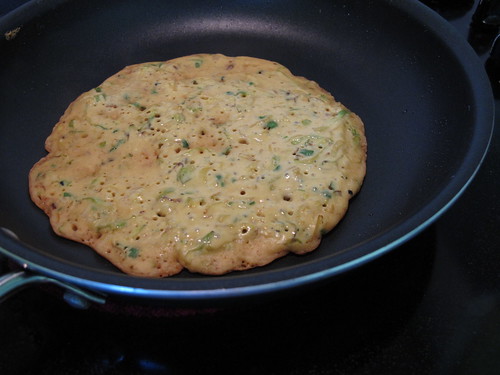
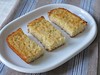
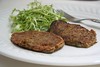
Tortillita cooking on pan

The first time I made it, I had a little leftover sauteed cauliflower with garlic and spices, made using Madhur Jaffrey's recipe for Baghari Phool Gobi. I used it in place of the shrimp, and had such a satisfying lunch while working from home, that the recipe zoomed up very quickly in my repertoire of all-time-bests.

Since then, I have used sauteed cabbage, brussels sprouts, or any type of greens such as these, and they all work great. Here is just one variation in which I used brussels sprouts and panch phoran, that I have made and loved.

For about 7-8 pancakes
Ingredients

1 cup besan
1/2 cup all purpose flour
1/2 cup whole wheat flour (see note)
1 teaspoon baking soda
salt to taste

For the filling:
1 cup finely chopped brussel sprouts
1 small shallot, finely chopped
1 green chili, finely chopped
8-10 sprigs of cilantro, finely chopped
2-3 Tablespoon oil
1 teaspoon panchphoran
1/2 teaspoon turmeric
1-2 teaspoons salt (or to taste)

Method

Heat 1 tablespoon of the oil in a deep skillet or wok. Add the panch phoran, and as the seeds start to swim around, add the Brussels sprouts, chili, and turmeric. Saute until the vegetable is coated with the oil and spices. Add some salt, and continue to cook for a few minutes on high heat until the Brussels sprouts start to get a few light brown spots. Then turn down the heat and cook for a few more minutes. Add in the chopped shallots, and let it cool. You can make this ahead of time as well.

In the meanwhile, mix the flours, baking soda, and salt. Add about 2 cups of water, starting with 1 cup, and whisking until a thick mixture of pancake batter consistency is formed. You want it to be just thick enough so that you can pour it from a ladle.

Add in the cooled Brussels sprouts and cilantro, and stir gently with a large spoon. Heat a wide non-stick skillet or omelet pan, and spread a few drops of oil on it. Pour in about a ladleful of the batter, and spread it around gently by swirling the pan to form a pancake. Check in a couple of minutes to see if it is starting to get brown on the bottom. When the top feels set, flip with a spatula, and cook for another two or three minutes, adding a few drops of oil on the side until is crisp outside. Try to serve and eat immediately.

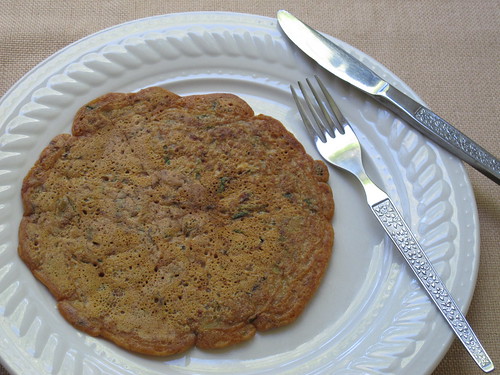
Tortillitas

Note: 

* You can use just all purpose flour as in the original recipe. I have tried different kinds of flours in the mix, like cornmeal, fine rawa, and atta. Feel free with experiment, keeping overall ratios about the same.

* It is important to use a non-stick skillet. When I tried to make this on a cast iron, it stuck to the pan miserably!

Sunday, January 27, 2013

Tiramisu, and a belated bloggiversary

It has been a little over 6 years since I started blogging. So many things have changed during this time, in life and work, in the world of blogs, and in social media in general.
Back then, when I decided to start a blog, rather hesistantly, it was mainly to publish my favorite recipes; the ones that I would want to make again and again, the ones that I would want to share with family and friends. I had been documenting favorite recipes with my notes for a long time before that. However, blogging enabled so many things that an ordinary document on my computer couldn't. Adding pictures to show how the final dish looks was a good start. The ability to tag and categorize them, and view comments from others made it even more appealing. Friends were created. Like minded communities arose. For some, book deals, home businesses, and classes were spun off. Some bloggers just stopped posting, and some of them really ought to come back. Things really have changed so much since the time I started blogging, that these days, it can be sometimes difficult to tell if a blog is a labor of love or something created by an organization for profit.


On my blog, things haven't changed much. The frequency of posting went down to a lamentable average of four posts a year in the last two years. I still write about the food I cook and eat as part of my daily activities, but I have very little time now to take pictures of food. Taking pictures, uploading, and linking was taking up way more time than I had as I juggled work, commute and travel for the most part.

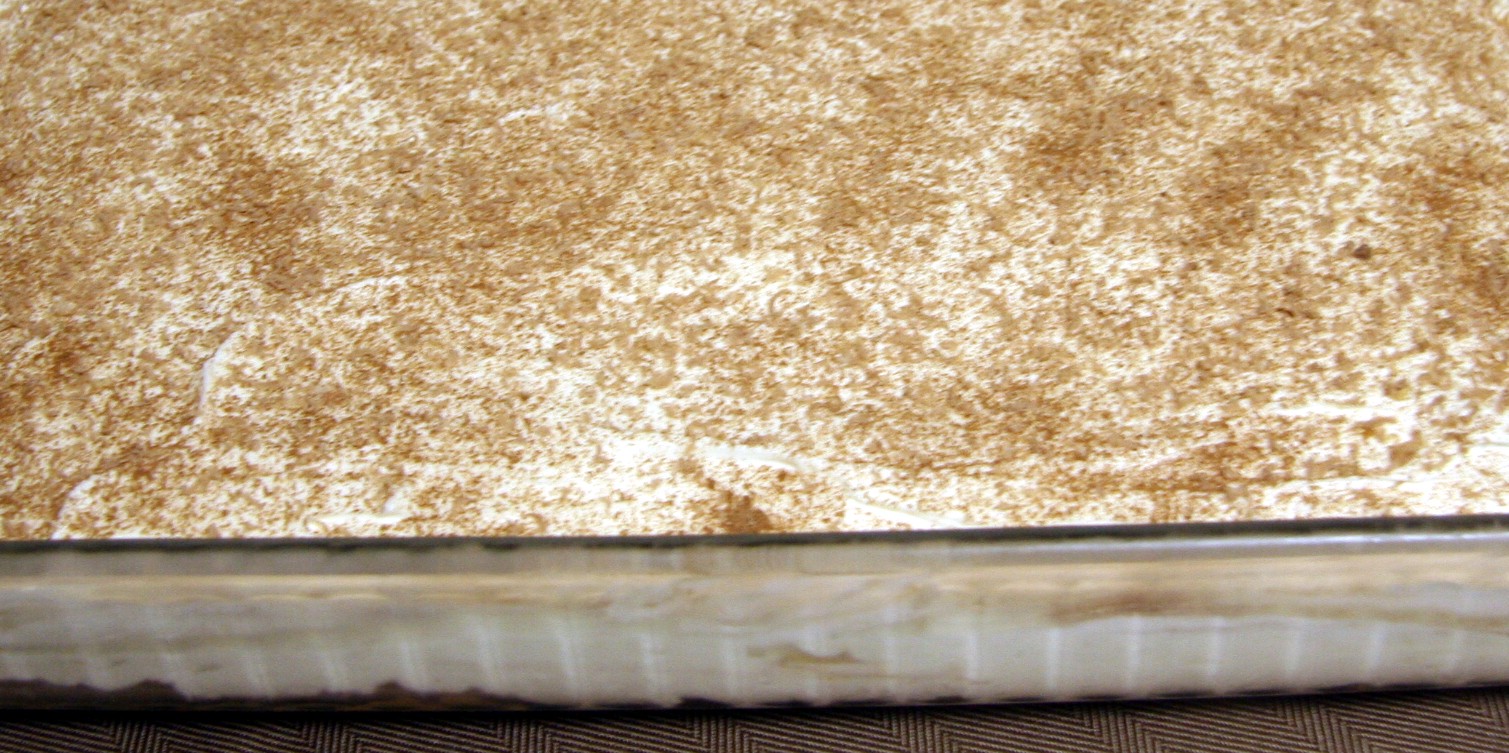
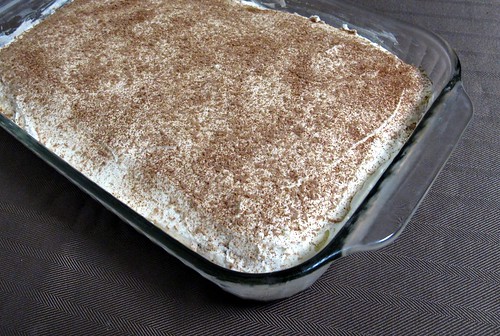
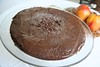
I started another blog to fill in the gaps and to keep track of things I tried, what worked, and  what didn't. It has become my handy reference for a lot of my cooking experiments. Some of the more successful ones should really see the light of the day and be here on the main blog with some pictures to match. Alas, my pictures haven't improved much in the last few years. If anything, I feel they have developed a "sameness" to them because of which I hesitate to publish them. Here is one example. I have been making this wonderful Tiramisu for nearly three years now. The recipe is as perfect as it gets. Other than the liqueur used, I hardly make any changes to it, because it works like a charm and never fails. It is an absolute crowd pleaser and receives raves every time I make it. Seriously, it tastes better than many a sad excuse for a Tiramisu that are served at times in restaurants. It has just the right amount of decadence, is not too sweet, and doesn't use raw eggs. However, I did not want to write about it because how do I prove it to you? I have tried, but could never take a picture that would do it justice. Most recently, I made a large batch for a potluck dinner, and before rushing out of the house, I tried to take a few pictures. The end results were just as blah as before. See for yourself.

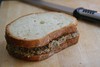
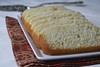
Tiramisu

The tiramisu itself was demolished down to a few crumbs by everyone, and that gives me great joy and satisfaction. The visual proof is lacking, but take my word for it, and try the recipe. I will upload a glamor shot if I get one some day.

The Best Tiramisu Ever
Recipe adapted from Baking Bites, a dependable resource for many dessert recipes

Serves: about 8

Ingredients

8-oz mascarpone cheese
1/2 cup confectioners’ sugar
1 cup cold heavy cream
2 tsp vanilla extract
1 cup strong brewed coffee or espresso, room temperature
1/4 cup Baileys original, dark rum, coffee or chocolate liqueur
approx 30-36 ladyfingers
unsweetened cocoa powder, for finishing
a few spoonfuls of grated or shaved chocolate, optional 

Method

In a large mixing bowl, beat mascarpone, confectioners’ sugar, heavy cream and vanilla at high speed until mixture is fluffy and very smooth.

In a small, shallow bowl, combine coffee and Baileys (or liqueur of choice). Dip each ladyfinger into the coffee mixture very quickly to let it soak up some of the liquid, a second on each side. Do not completely soak the ladyfingers in the coffee mixture. Place in the bottom of a 8×8 or 9×9-inch square glass or ceramic dish. Place the lady fingers snugly close to each other as you go. The bottom of the pan should be completely covered with the ladyfingers in a single layer. When there is a full layer of ladyfingers, spread half of the cream mixture on top of them. At this point, you can sprinkle some grated chocolate over the cream if you like.

Repeat with remaining ladyfingers and cream mixture. Dust with cocoa powder, grated chocolate, or both.

Cover the dish with plastic wrap, and refrigerate for 6-10 hours before serving.

Friday, November 30, 2012

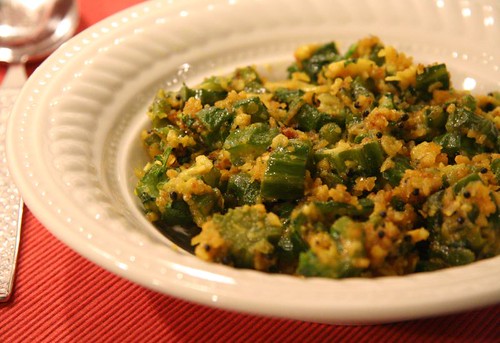
Ridge Gourd Chutney, Deconstructed

Everything I learned about "ridge gourds", I learned online. This might sound like an exaggeration, but it is very close to the truth. Ridge gourd, which is called 'doDake' or 'shiraLe' in Marathi, and 'turai' in Hindi is a vegetable that I wasn't familiar with while growing up. While it is quite commonly used in most regions of India, I don't recall eating it much, if at all, and I know for sure I never ever watched anyone cooking it either at my home or anyone else's.

Like many other vegetables that I had never tried before, I began to see loads of beautiful gourds in the Asian stalls at the local farmers market, and was tempted to try it out. I started looking for recipes to use it, and found plenty of ideas online. But I was clueless right from selecting the gourds. Are the smaller ones better or the larger? Slim better or hefty? I had to even search online for instructions on how to peel and prepare them before using in a recipe. After reading and searching about it, I felt I was finally ready to cook with it.

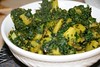
Turai with dumplings

The first thing I ever cooked was this 'Ridge Gourd with dumplings' sabjee, about five years ago. I used oat flour instead of jowar, and made the dumplings bite sized, about the same size that I chopped the gourds into. It was such a hit that I made it repeatedly. Soon after that, I started looking for more recipes to expand my repertoire, and tried this 'Stuffed Ridge Gourd' which was an instant hit too. I realized that I enjoyed the slightly earthy taste and texture of of this vegetable, unlike some of my other family members, because of which the vegetable must have never made an appearance in our house.

Then one day, when there wasn't enough time to make the dumplings, or the stuffing, I wanted to make some kind of a quick saute bhaaji (chop, sizzle, and stir) and that was when I deconstructed Mint's 'Ridge Gourd chutney' to make a bhaaji, and it has become a huge favorite ever since.Here it is, adapted and translated with her permission.

Turai Bhaaji

Ingredients

2-3 ridge gourds (depending on their size)

4 cloves of garlic
4 green chilies

1-2 Tablespoons oil
1/4 teaspoon mustard seeds
pinch of asafoetida
1/2 teaspoon turmeric
a few curry leaves (optional)

3-4 tablespoons crushed peanuts
1-2 Tablespoons dried shredded coconut
1/2 teaspoon salt, or to taste
about 4 Tablespoons chopped cilantro

Method

Cut off the ends of the ridge gourds. Scrape off the bumpy ridges with a vegetable peeler. Cut each into half lengthwise, and then slice crosswise into half moons. Add the pieces to a bowl of cold water with a teaspoon of salt, for about 10-15 minutes, and drain in a colander before using.

In the meanwhile, prepare the other things. Peel the garlic. Remove the stems of the green chilies and wash them. In a mortar and pestle, smash the garlic and chilies together until they barely hold their shapes. Do not smash into a paste, but you need them to release all their flavor.

Heat the oil in a wide pan or wok. Add the mustard seeds, and when they start to pop, add the asafoetida, turmeric, curry leaves, smashed garlic and chilies, and stir for a few seconds or until the garlic starts to change color slightly.

Add the chopped ridge gourd, and saute just until coated with the seasoned oil. Cook on medium-high heat, stirring occasionaly, until the ridge gourd is almost done. The gourds usually release a fair amount of water, so I do not cover them while cooking.
In the meanwhile, roast the coconut in a small dry skillet until it turns slightly golden brown. When it is cool enough to handle, crush it coarsely with fingers, or a rolling pin, or a pestle.

Add salt to taste, and the crushed peanuts and coconut to the vegetable in the last couple of minutes before turning the heat off, and stir everything around. Add the cilantro just before serving, and serve warm, with polis or rice and dal.

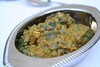
Turai Bhaaji served

Dodkyachi Bhaaji served with Polis

Thursday, June 28, 2012

Pink Panha

When I made Rhubarb Chutney not too long ago, I kept aside a stalk for an experiment that I had in mind. It turned out so wildly successful, that I had to post about it.

I had always heard of making rhubarb syrup and then diluting it with regular or sparkling water to make a refreshing drink, and wanted to try it out. So I did, and swooned over the pretty color, but I wasn't prepared for what it would taste like. As soon as I had a sip, my first reaction was to exclaim how much it tastes like 'Panha', the classic Maharashtrian drink made with tart raw mangoes, and I was beyond thrilled!

A week later, I bought more rhubarb specifically for making a pink 'Panha', and this time I enhanced it with the flavor of cardamom, which I associate with the traditional taste of 'Panha'. I also measured out the quantities rather than adding sugar and water by andaaz. The tartness of rhubarb varies with the batch, so you would have to use your judgement of quantities based on how sweet and tart you want the end result to be. I have provided my measurements as a guideline.

The elusive taste of 'Panha' and the gorgeous pink color of Rhubarb is sure to be a crowd pleaser.

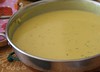
IMG_0806_ed

Rhubarb Syrup Drink / Panha

Makes 4-5 servings

Ingredients

2 large stalks rhubarb (about 5 oz, or 1-1/2 cups when chopped)
1/2 cup (+ 1-2 Tablespoons sugar if needed)
1-1/2 cups water
2 pods of cardamom
4-5 cups water or sparkling water
Salt to taste
lemon juice (if needed)

Method

Clean the stalks of rhubarb. If they have dry ends, trim them off. Chop the stalks into roughly 1 inch pieces and add them to a stainless steel pan. Add 1/2 cup of sugar, and 1-1/2 cups water. Heat the pan, and bring the mixture to a boil.

Reduce the heat, and cook over medium heat for 15-20 minutes, or until the rhubarb is soft and can be mashed with the back of a spoon. If it gets too thick during the process, add some water as needed.

In the meanwhile, peel the cardamom pods, and powder the seeds in a mortar and pestle. Stir the powder into the cooked mixture.

When the liquid has cooled, you can mash the rhubarb with a masher or fork, or run the mixture in a blender. Strain the syrup in a sieve to remove any tough fibres.

Add a pinch of salt, and taste the syrup. Add extra sugar if you want it sweeter, and some lemon juice for more tartness. When ready to serve, mix the syrup with about 4-5 cups of water, and pour into glasses with ice. You can also use sparkling water, but the classic Panha is made with regular water.

Note

You can make a large batch of the syrup and keep it in the fridge for several days, and add water and ice as needed to dilute.

Thursday, June 21, 2012

Strawberry Rhubarb Mint Chutney

On 'Evolving Notes', I have written about various fruit chutneys that I have made, mostly inspired by the recipes from 'My Bombay Kitchen'. While all of them were delicious, the best of them all was the Rhubarb Chutney.

Earlier this spring, Mints wrote a post about that Rhubarb Chutney which reminded me to make it once again. I was also reminded of her crowd-pleasing Strawberry Mint lemonade, which I like a lot as well. All of these favorite flavors then easily came together in another chutney, and a new winner was created.

Taking a cue from Niloufer Ichaporia, I followed the principle of making sure that the chutney was emphatically sweet, hot, and tart.

Strawberry, Rhubarb, and Mint Chutney

Strawberry Rhubarb Mint Chutney

Ingredients

About 2 stalks of rhubarb (about 4 oz)
1 pint strawberries
1 teaspoon grated ginger
1 teaspoon red chili powder (cayenne)
3/4 tsp salt
1/4 cup sugar
1 Tablespoon cider vinegar
30-40 mint leaves
optional lemon juice if needed

Method

Hull the strawberries. If the rhubarb has dry ends, trim them off. Chop the rhubarb and strawberries into 1/2 inch sized pieces and add them to a stainless steel pan. Add everything except the mint leaves and cook on medium high heat, stirring occasionally for 15-20 minutes or until it is jammy and soft. You can check by mashing the pieces of strawberries and rhubard with the back of the cooking spoon.

When cool, add coarsely chopped or torn mint leaves. Use an immersion blender or a food processor and pulse a few times until the mint leaves are finely chopped. Either way, remember to pulse.

Taste, taste, taste. Adjust the salt, heat with chili powder, and tartness with lemon juice if needed.


Serving fruit chutneys

I usually serve these chutneys just like most other chutneys and pickles in Indian cuisine. I place them on the table, for everyone to help themselves. Over the last couple of years, I have been enjoying various cheese courses while eating out, and I have started creating them at home as well. When I have a sweet and spicy chutney on hand, I buy an interesting cheese, some hearty fresh bread or crackers, and arrange it on a platter to savor with a glass of wine or other drinks.

Strawberry Rhubarb Chutney with Brie

Cheese and chutney

Other Chutneys

A note on other chutneys I have made, and a recipe for Pear Ginger Chutney.
Related Posts Plugin for WordPress, Blogger...